PMAYG Eligibility: Your Guide to Applying for a Home Loan
I’ve noticed a lot of confusion around who can actually apply for the Pradhan Mantri Awas Yojana-Gramin (PMAYG). Many people I’ve spoken to in my village aren’t sure if they meet the requirements, and they’re worried about making mistakes on their application. In this guide, I’ll walk you through everything you need to know about PMAYG eligibility, making it simple and clear.
At a Glance: PMAYG
| Scheme / Topic Name | Pradhan Mantri Awas Yojana-Gramin (PMAYG) |
| Purpose | To provide financial assistance for the construction of pucca houses with basic amenities to houseless households and those living in kutcha and dilapidated houses in rural areas. |
| Benefit / Key Information | Financial aid for constructing a home. |
| Latest Update / Status | The scheme is ongoing and has been extended until 2028-29. |
| Official Website | pmayg.nic.in |
My Real-World Experience
I was recently helping my neighbor, a daily wage laborer, understand the PMAYG scheme. He had heard about it but was convinced it was only for people with a regular, salaried job. He was surprised to learn that his family was likely eligible. This is a common misconception I see, and it’s why I decided to write this guide. It’s important to know the facts directly from the source.
What is PMAY-G Eligibility Criteria?
In simple terms, PMAY-G is a government housing scheme aimed at helping people in rural India who don’t have a proper house.
It provides financial help so they can build a “pucca” house with basic facilities like a toilet.
It’s all about ensuring everyone has a safe and secure place to live.
Read More: PMAYG Status Check: A Simple Guide for Beneficiaries
PMAYG Eligibility Criteria
Here’s a breakdown of who can apply:
- Houseless Families: Families without a house or those living in a kutcha house (a house with walls and roof made of materials like mud, bamboo, grass, etc.).
- Income: The annual income of the household should not exceed the amount specified by the government for different categories.
- This is a key factor.
- Land Ownership: The family should own land for construction or be provided with land by the government.
- No Previous Housing Benefits: The family should not have availed of any other central or state housing scheme.
Who is NOT eligible?
- Individuals who own a motorized two-wheeler, three-wheeler, or four-wheeler, or a fishing boat.
- Anyone with a Kisan Credit Card with a credit limit of ₹50,000 or more.
- Any household with at least one member who is a government employee or earns more than ₹10,000 per month.
- Families paying income tax.
Required Documents
Here is a list of documents you’ll need, and why they are important:
| Document | Why it’s needed |
| Aadhaar Card | For identity verification. |
| Job Card (as registered under MGNREGA) | To verify your employment status and location. |
| Bank Account Details | For the direct transfer of financial assistance. |
| Swachh Bharat Mission (SBM) number | To link with the sanitation and toilet construction part of the scheme. |
| Consent to use Aadhaar | To allow the government to use your Aadhaar for verification. |
| Land ownership documents | To prove you have land for construction. |
How to Check Your PMAYG Eligibility (Step-by-Step)
Checking your eligibility is the first and most important step. Here’s how you can do it. I’d suggest taking a screenshot of each step for your reference.
Step 1: Visit the Official PMAY-G Website
First, you need to go to the official website for the scheme.
Step 2: Find the Beneficiary Details Section
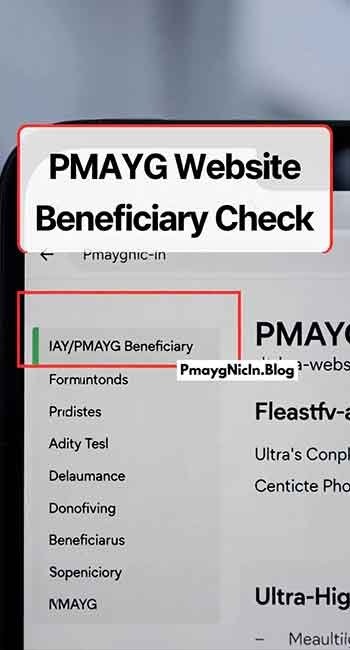
Look for a section that says something like “IAY/PMAYG Beneficiary.”
This is where you can check your status.
Step 3: Enter Your Registration Number
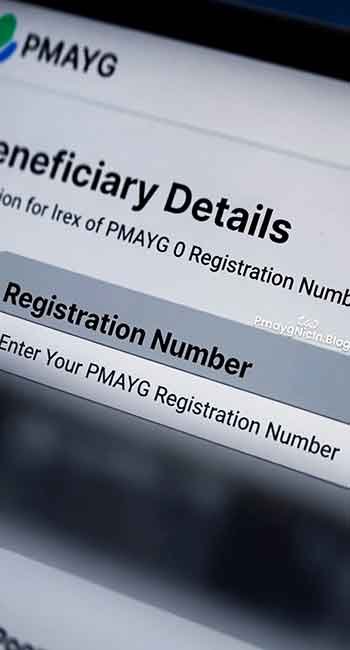
You’ll need to enter your registration number to see your details.
If you don’t have one, you can also search by other details like your name and location.
Common Problems Users Face & Solutions
From my experience, here are some common hurdles people encounter and how to deal with them:
- Problem 1: Name not in the beneficiary list.
- Solution: This is often due to an error in the initial survey. You should contact your Gram Panchayat or Block Development Officer to get your name included in the next survey.
- Problem 2: Incorrect bank account details.
- Solution: If your bank details are wrong, the financial aid won’t reach you. You need to submit a written application to your Block office with the correct bank account details and a copy of your bank passbook.
- Problem 3: Delays in receiving funds.
- Solution: Sometimes, there can be delays. It’s best to regularly check your status on the official website and stay in touch with your Gram Panchayat for updates.
Frequently Asked Questions (FAQs)
No, PMAYG is specifically for people living in rural areas. There is a separate scheme, PMAY-Urban, for urban areas.
Single individuals can apply, but the scheme prioritizes households. Your eligibility will depend on your income and housing situation.
Yes, you can. While BPL families are given preference, you can still be eligible based on the Socio-Economic and Caste Census (SECC) data and other criteria.
The amount varies by location. In plain areas, it’s ₹1.20 lakh, and in hilly/difficult areas, it’s ₹1.30 lakh.
Important Disclaimer
Please note that this article is for informational purposes only. I have done my best to provide accurate information based on my research and experience, but it’s always a good idea to verify the details from the official PMAY-G website or your local government office.
Conclusion
Understanding the PMAYG eligibility criteria is the first step towards building your own home. I hope this guide has made the process clearer for you. Don’t be discouraged by rumors or misinformation. Check the official sources, gather your documents, and take the first step towards a secure future. If you found this information helpful, please share it with others who might benefit. And if you have any more questions, feel free to ask in the comments below! I’ll do my best to help.